// Online Course · Mixing & Compression

Stop Guessing.
Start Hearing.

The interactive course that takes you from copying settings off a forum to mixing fat, punchy records by ear.

There's a reason your mixes don't sound like the records you love — and it isn't your plugins, your room, or your ears. It's that you're making compression decisions without understanding what you're listening for. This course fixes that.

Get the course – $49 See what's inside ↓

Lifetime access · Instant · 30-day money-back guarantee

20+
Years making records
10yr
Teaching at Collarts
9+1
Lessons + capstone
// Dan Murtagh
TheCompression
Code
9 Lessons · 1 Capstone
Interactive Edition
Instant digital access
// 01

Is This You?

You've copied compressor settings from tutorials and they never sound right on your tracks.

You tweak the knobs and can't tell if you're making things better or worse.

You know attack and release do something but don't know what to listen for.

You've mixed for years and compression still feels like guesswork.

Every time you put a compressor on something, you second-guess yourself.

You're tired of random knob-twiddling and hoping for the best.

If any of that sounds familiar — keep reading.

// 02

Why Tutorials Don't Work

Here's the thing about compression tutorials: they give you answers without teaching you how to think.

"Use these settings on vocals." Great. But what if your vocal was recorded differently? What if the performance has different dynamics? What if you're going for a different sound?

The settings don't transfer. They can't. Because compression isn't about numbers — it's about listening.

Either it's buried in jargon that doesn't help you make decisions, or it's reduced to "magic settings" that work on one source and fail on everything else. Neither teaches you to hear.

// Ready when you are

Already convinced? Skip the story.

Enrol now – $49
// 03

How I Actually Learned This

When I moved to Melbourne to work at Sing Sing Studios, I was assisting a producer named Forrester Savell. I'd been in the industry a few years, mostly doing recordings. But mixing? I wasn't great at it.

So when Forrester was mixing, I had nothing to do. I'd just sit there. Next to him. Watching him mix. All day.

Here's the thing about Forrester — he's a stoic. Not talkative. I'd ask a question and get a one-word answer. "What shortcut is that?" "Command-S." That's it. I'm a talker, so it was kind of torturous, sitting in silence watching someone work.

But I learned more from sitting next to him than I had in four years of uni. Not because he taught me — because I watched. I saw what he reached for, the order he did things, how he reacted when something wasn't working. I saw his instincts in action.

I've been making records for two decades — over twenty years at some of the best studios in Australia, mixing rock, metal, punk, indie, electronic, hip hop, pretty much everything. And for the last decade I've been teaching audio engineering at university level.

This course is everything I wish someone had told me when I was sitting next to Forrester, trying to figure out what the hell he was doing.
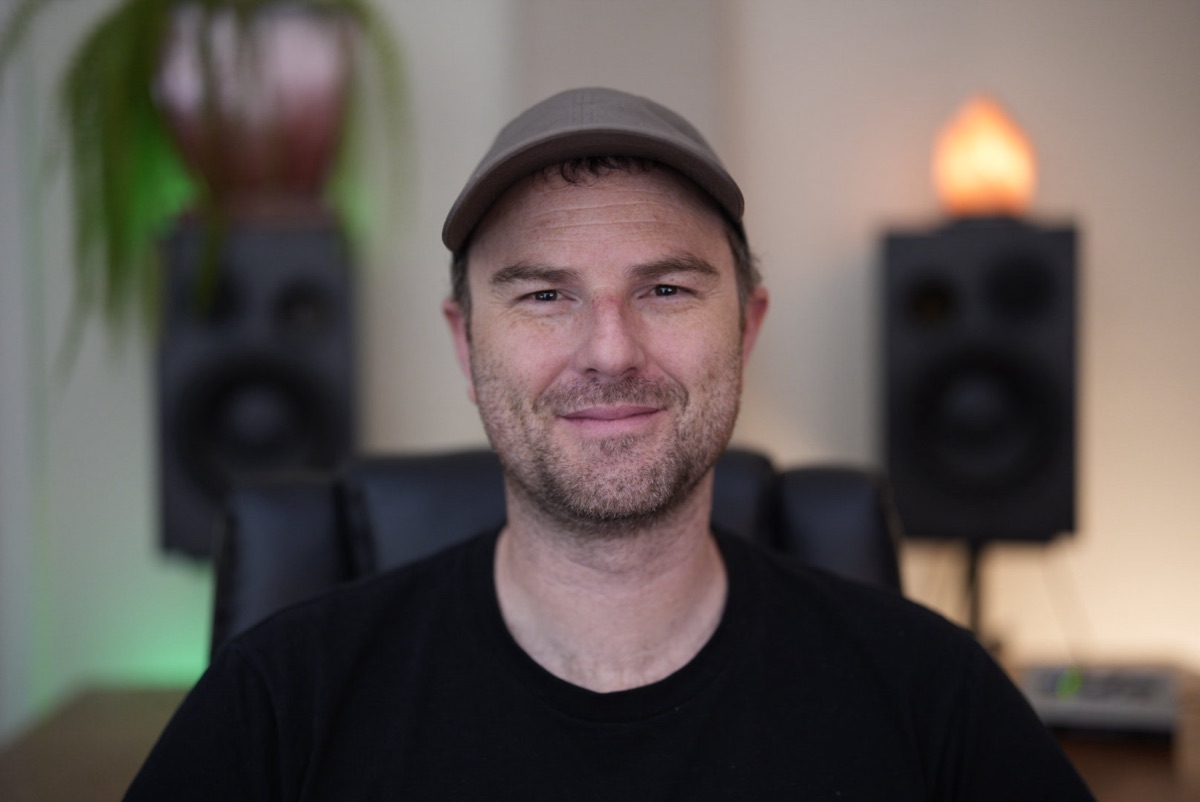
Dan Murtagh teaching
Melbourne · StudioDan Murtagh
"That's how you actually learn this. Not from formulas. From watching someone who knows what they're doing — and absorbing how they think."

// 04

A Framework, Not a Formula

I can't sit next to you while you mix. But I can show you how I think — a framework for making compression decisions that actually translates to your mixes. Not recipes. Not magic numbers. A way of hearing you can apply to anything.

Principle 01

The "Why" Before the "What"

Most tutorials tell you what settings to use. I teach you why those settings do what they do. Once you understand why, you make your own decisions based on what you're hearing.

Principle 02

The Front End / Back End Framework

Every sound has a front end (the transient) and a back end (the sustain). Compression is choosing which to emphasise. Attack and release stop being mysterious numbers and become creative tools.

Principle 03

Aesthetic Compressor Selection

Different compressors are different tools for different jobs. Choose the right one before you touch a single knob — based on the sound you're going for, not random experimentation.

Principle 04

Signature Techniques That Solve Problems

Not party tricks. The Power Shelf and The Power Trifecta — the practical techniques I actually use on every mix.

// 05

From Guesswork to Fat, Punchy Mixes

You come in copying settings. You leave hearing decisions. Here's what that sounds like in your mixes:

Drums that punch

Use attack and release to decide whether a kick hits or thuds — and keep the punch alive instead of squashing it.

Vocals that sit up front

Smooth, present, holding their place — compression doing its job so well you stop noticing it.

A mix that glues

Buses and low end that hold together like one record — each compressor chosen for the sound, not the badge on the plugin.

Problems fixed in seconds

Recognise the symptom and fix it. Lost the punch? Attack too fast. Pumping? Release needs adjusting.

Your own taste — the big one

You'll hear a source and know whether it needs compression, know when it doesn't, and know when to stop. You won't need my settings, or anyone else's.

// 06

What's Inside

Nine lessons and a capstone, in order. Each ends with a knowledge check and something to do in your DAW — because you learn compression by using it, not by reading about it. Your progress saves as you go.

Lesson 01

The Hook

The one idea that changes everything: "fast attack = punchy" is completely backwards. Understand why, and half of compression clicks into place before lesson two.

Lesson 02

Four Things to Unlearn

The myths you've absorbed from tutorials, forums, and that one guy on Reddit — killed before they get in your way.

Lesson 03

What Every Knob Actually Does

Threshold, ratio, attack, release, knee, makeup, sidechain — not just what they do, why. Plus the level-matching trap that fools your ears.

Lesson 04

Front End / Back End

My core framework. Every sound has a front end (the punch) and a back end (the body) — and attack time chooses which one you hear.

Lesson 05

Pick the Right Tool

VCA, FET, Opto, Vari-Mu — why choosing the compressor comes before touching a single knob, driven by the sound, not the badge.

Lesson 06

The Four Mindsets

Smooth, Punch, Sustain, Glue. Name your mindset and the settings shape themselves — with master starting settings by goal.

Lesson 07

Fix It in 60 Seconds

"It sounds worse with the compressor on." An interactive troubleshooter that walks you from symptom to cause to fix.

Lesson 08

Knowing When to Stop

The most underrated skill in mixing. Four questions to ask before you compress anything, and how to know you're done.

Lesson 09

Signature Techniques

Seven pro moves — Series, Parallel, Sidechain Ducking, Upward, All-Buttons-In — plus two of my own: The Power Shelf and The Power Trifecta.

Capstone

Audit Your Own Mix

Where it becomes yours. Take a mix you've already finished and walk it through the whole framework, one compressor at a time — catching your own habits in your own work.

// 07

What You Get

// Everything in the course

  • The full interactive course — nine lessons and a capstone, progress saved as you go
  • Live animated diagrams and hands-on demos — blend the Power Trifecta on real faders, dial in sidechain ducking, ride the compression curve
  • An interactive troubleshooter: symptom → cause → fix
  • Knowledge checks and DAW exercises after every lesson
  • Printable reference sheets (PDF) — controls, families, master starting settings, the troubleshooting flowchart
  • Ask Dan — an AI trained on my teaching, built into every page
  • A full plain-language glossary
  • Lifetime access — and every future update, free
// 08

Who Made This

Dan Murtagh
Ferntree StudiosEst. Melbourne

I'm Dan Murtagh. I've been making records for two decades. I've worked at Sing Sing Studios in Melbourne and run my own studio, Ferntree Studios. I've mixed everything from metal to folk to electronic.

For the last decade, I've also been lecturing in audio production at Collarts in Melbourne — teaching recording, mixing, and post-production at university level.

This course is everything I teach my students about compression, structured for people who can't sit in my classroom. It's practical, honest, and designed to actually change how you work — not just give you more information to forget.

// 09

What This Course Won't Do

I want to be honest with you: this course won't make you a compression expert overnight. Compression is a skill, not a formula. You develop it by mixing a lot of music, making mistakes, and paying attention to what works.

What it does is give you a framework — a way of thinking and listening that accelerates the process. Instead of randomly tweaking knobs, you'll have intention behind every choice. There's no shortcut around the hours, but this makes every hour count more. Be patient with yourself. This isn't a race.

// Enrolment

Get The Compression Code

$49One-time · USD · Founding price · Lifetime access
30
30-day money-back guarantee
Reply to your receipt. No forms, no hassle.
  • The full interactive course — nine lessons and a capstone you work through by ear, not videos you passively watch
  • Live, interactive diagrams and the built-in Compressor Calculator — see and hear what every control does
  • Quizzes and hands-on DAW exercises after every lesson, so it actually sticks
  • A troubleshooting section that diagnoses "it sounds worse with the compressor on" in seconds
  • Printable reference sheets (PDF) and a full glossary
  • Lifetime access — and every future update to the course, free
Get the course – $49

One-time payment — no subscription. Instant access. This is the founding price — the lowest it will ever be.

// FAQ

FAQ

Is this for beginners?
It's for people who've started mixing but are struggling with compression specifically. You should know your way around a DAW. If you've never opened Pro Tools or Logic before, learn the basics first, then come back.
What DAW do I need?
Any DAW works. The concepts are universal, and every technique is taught so you can build it with stock plugins in any software.
How long will it take to get through?
The lessons are concise and focused. But the real learning happens when you apply it to your own mixes. I'd recommend working through one lesson, then mixing something before moving to the next. Take your time.
Will this work for my genre?
Compression principles are the same across genres — what changes is how aggressively you apply them. The course teaches the decision framework — the four mindsets, the compressor families, front end / back end — and that works for everything from rock to acoustic to electronic.
What if I already know the basics?
Good. We're building on that. If you already understand threshold and ratio but can't figure out why your compression still sounds wrong, this course will fill in the gaps.
What if it's not for me?
Thirty-day money-back guarantee. If it doesn't change how you hear compression, reply to your receipt email and I'll refund you — no forms, no questions, no hard feelings.
// Start today

Stop guessing. Start hearing.

The interactive course that takes you from copying settings off a forum to mixing fat, punchy records by ear. Founding price, lifetime access, every future update free. It only goes up from here.

Get the course – $49
The Compression Code
Founding price · Lifetime access · 30-day guarantee
Get it – $49